A brand interested in working with a creator shouldn't have to search through months of Instagram posts, scattered links, and old campaign highlights to understand what that creator offers. A digital portfolio solves that problem by bringing content samples, audience information, performance results, and collaboration details into one place.
The goal isn't simply to display attractive content. It's to give potential partners enough information to decide whether a collaboration makes sense and how to take it forward.
What Brands Actually Look For
Brands rarely select creators based on follower counts alone. They also consider whether the creator's audience matches their customers, whether the content suits their identity, and whether previous work demonstrates commercial potential.
For example, a skincare company might prefer a creator with 12,000 followers who consistently produces detailed product demonstrations over a lifestyle account with 100,000 followers but little beauty-related content.
Several factors influence that decision:
● Audience relevance: Brands want to know whether followers match their target customers in interests, location, and demographics.
● Content consistency: A recognizable visual style and reliable publishing history make it easier to predict what a partnership might produce.
● Engagement quality: Relevant questions, conversations, saves, and shares can be more informative than likes alone.
● Commercial suitability: Product storytelling, clear demonstrations, and natural recommendations help brands assess promotional potential.
A strong portfolio should answer these questions through evidence rather than simply describing the creator as passionate or influential.
Portfolio vs. Media Kit
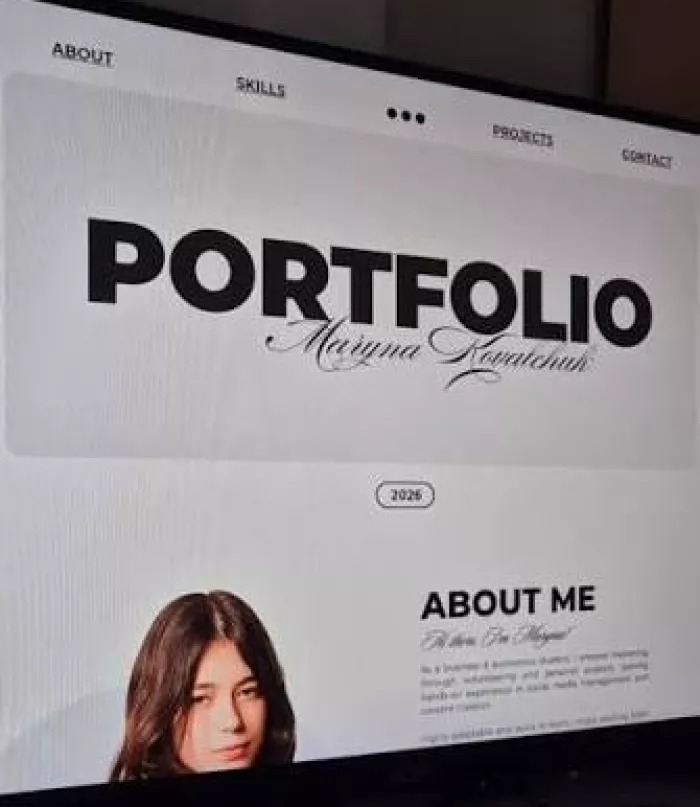
A digital portfolio and a media kit serve related but different purposes. One demonstrates creative ability, while the other helps brands assess audience reach and commercial suitability.
A link-in-bio page can connect both, giving potential partners a convenient starting point.
| Format | Main purpose | Best use |
| Digital portfolio | Displays content samples, skills, and projects | Evaluating creative work |
| Media kit | Presents audience statistics and partnerships | Assessing sponsorship potential |
| Link-in-bio page | Organizes important links | Making work easy to discover |
| Combined creator page | Connects samples, statistics, and contact options | Handling collaboration inquiries |
Creators don't necessarily need three separate destinations. A single well-organized page can feature selected projects, a downloadable media kit, and an inquiry button. The priority is reducing the effort required to evaluate a partnership.
Choose Your Portfolio Format
The best portfolio format depends on the creator's work, the information brands need, and how frequently that information changes.
A custom website offers substantial design flexibility and works particularly well for photographers, videographers, and creators with extensive projects. However, a portfolio without a website is also possible using simpler alternatives that require less maintenance than a custom site.
Platforms such as Linktree and Beacons offer alternatives for creators who want to connect their social profiles, important links, and partnership information. Both offer media-kit functionality, although availability and features differ by platform and plan. Stan Store is more focused on creator storefronts, digital products, bookings, and services. It can complement a portfolio when collaborations form part of a broader creator business.
A PDF created in Canva remains useful for direct brand outreach because it can be attached to a proposal. However, static statistics require manual updates.
For most creators starting out, a mobile-friendly page with selected work, basic audience details, and a clear contact option is sufficient.
Build a Strong Introduction
The opening section should establish what the creator does and why that work is relevant to potential partners.
A statement such as "I'm a passionate lifestyle creator who loves making content" offers little useful information. It doesn't identify a specialization, audience, or content format.
A more useful introduction would be:
"I create short-form skincare tutorials and product demonstrations for an audience interested in affordable beauty routines. My content focuses on practical application, product comparisons, and everyday skincare decisions."
This tells brands what kind of collaboration they could reasonably propose.
Include a professional profile image, creator name, primary niche, main publishing platforms, and a short description of the audience. Social handles should be accessible without overwhelming the introduction.
Select Your Best Work
A portfolio containing every published post can become difficult to evaluate. Instead, select four to six examples that demonstrate different strengths while remaining relevant to the desired partnerships.
For a beauty creator, this might include a product tutorial, a comparison video, an educational carousel, and a short-form demonstration.
Each example should provide context. Rather than presenting an isolated thumbnail, explain the content's purpose, the creator's contribution, and any meaningful response it received.
A practical project entry could contain:
● Project objective: Explain whether the content introduced a product, demonstrated its use, answered customer questions, or encouraged engagement.
● Creative contribution: Identify the work completed, including scripting, filming, photography, editing, or presenting.
● Selected evidence: Include a working video link, screenshots, relevant engagement figures, or approved campaign results.
● Content relevance: Explain briefly which creative skill or audience interest the example demonstrates.
Avoid choosing samples solely because they accumulated the most views. A highly viewed comedy video may tell a skincare brand less about collaboration suitability than a smaller, informative product demonstration.
Present Your Audience Data
Audience statistics help brands understand who may encounter sponsored content. However, the numbers become useful only when presented with sufficient context.
Begin with the main platforms, follower counts, audience locations, age distribution, and relevant interests. Then add average reach, views, or engagement for a clearly defined period.
For instance, reporting an average of 18,000 views across the most recent ten comparable Reels is more informative than displaying a single video that reached 250,000 views.
Reach and views should not be treated as identical. Reach generally describes unique accounts exposed to content, while views can include repeat consumption, depending on the platform's reporting method.
Creators should also distinguish between platform analytics and manually calculated metrics. A commonly used engagement-rate calculation is:
Engagement rate = (Total engagements ÷ Reach) × 100
However, engagement rates can also be calculated using followers, impressions, or other denominators. State which method was used so brands can interpret the figure correctly.
Include the reporting period and update date. Never expose private account credentials or confidential audience information.
Show Collaboration Results
Previous collaborations provide useful evidence, but displaying a brand logo without describing the work reveals very little. A compact case study should connect the campaign objective with the content produced and its measurable outcome.
Consider this illustrative example:
● Campaign: New skincare product introduction
● Objective: Demonstrate product application and encourage product-page visits
● Deliverables: Two short videos and three Instagram Stories
● Results: 42,000 combined video views, 1,300 saves, and 420 tracked link clicks
These figures are hypothetical and illustrate how a portfolio case study can be structured.
The example becomes more meaningful when accompanied by a short explanation of the creative decisions. Perhaps the creator demonstrated the product under natural lighting or addressed frequently asked questions.
Where campaign tracking is available, distinguish actual sales from clicks or other engagement. Do not claim that a creator generated purchases simply because a promotional video attracted attention. Obtain permission before publishing confidential campaign metrics, contract details, or private client feedback.
Define Your Collaboration Options
Brands should be able to understand what services a creator offers without requesting an introductory meeting.
This section can describe the available formats, typical deliverables, and any relevant production capabilities.
| Collaboration type | Typical deliverables | Key consideration |
| Sponsored content | Reels, posts, Stories | Audience compatibility |
| UGC production | Product videos, photos | Usage rights |
| Affiliate campaigns | Promotional content, tracked links | Attribution and commission |
| Brand ambassador work | Recurring campaign content | Contract duration |
| Product reviews | Demonstrations, evaluations | Editorial independence |
An important distinction is whether the brand is paying for access to the creator's audience or purchasing content for its own marketing channels.
For example, a UGC video produced for a company's advertisement may require separate compensation for production and advertising usage. Licensing duration, revisions, exclusivity, and raw footage should be discussed before agreeing to the project. The portfolio should communicate available services without presenting every potential collaboration as a fixed package.
Design for Easy Navigation
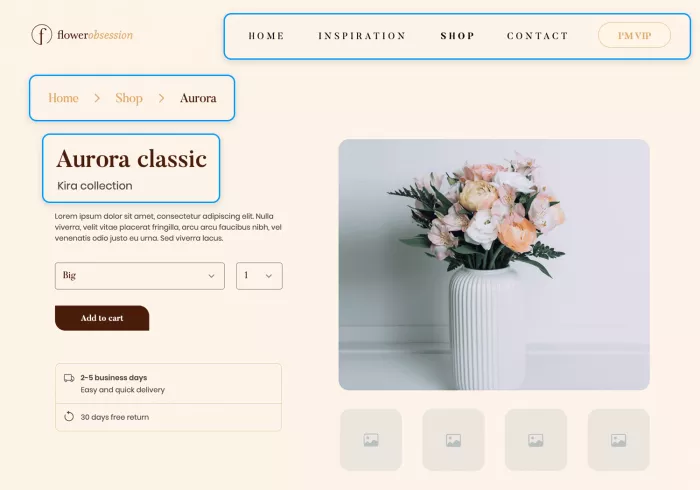
Portfolio design should make information easier to find rather than compete with the work itself. Because many visitors will open portfolio links from social profiles or messaging apps, mobile presentation deserves particular attention.
A sensible page order is the creator introduction, selected work, audience information, collaboration options, previous results, and contact details.
For a smoother experience:
● Use clear section labels so visitors can identify work samples, performance data, and contact information without searching.
● Keep thumbnails consistent and compress media to reduce unnecessary loading time.
● Place the primary collaboration button near the opening section and repeat it near the bottom.
● Check that embedded videos, external links, and downloadable files function properly on mobile devices.
Avoid automatic video playback, excessive animation, and lengthy paragraphs inside portfolio cards. A clean page with six accessible examples is often more useful than an elaborate design that hides the actual work.
Make Contact Simple
Interest can disappear quickly when a brand cannot find the appropriate contact details. Use a dedicated professional email address or a short inquiry form. The contact section should explain how to propose a collaboration and what information should be included.
For example:
"Interested in working together? Send your campaign brief, expected deliverables, and timeline through the collaboration form."
A useful inquiry form asks for the brand name, contact email, campaign objective, proposed deliverables, and expected timeline. Budget can be an optional field.
Creators can also mention their usual response window, provided they can meet it. Public pricing is optional. Standard services may benefit from indicative rates, but customized campaigns often require a private quotation because production requirements and usage rights vary.
Build Without Brand Deals
A lack of previous sponsorships shouldn't prevent a creator from building a credible portfolio. Begin with independent projects that demonstrate the type of content brands might commission. A home organization creator could produce a storage-product demonstration, while a food creator could develop a recipe video featuring a commonly available ingredient.
These examples should be identified as independent or self-initiated work, not official collaborations.
Beginners can build an initial portfolio through:
● Product demonstrations: Produce original videos showing practical features, usage, and presentation skills.
● Spec campaigns: Develop sample promotional concepts for recognizable products while clearly labeling them as unofficial creative exercises.
● Existing content: Select organic posts that demonstrate strong storytelling, consistent production, or meaningful audience engagement.
● Creative comparisons: Show different approaches to the same product category to demonstrate adaptability and audience understanding.
The purpose is to prove capability before commercial experience becomes available.
Share Your Portfolio Strategically
Creating the page is only the first part of the process. Brands must also be able to discover it when considering potential partners.
A portfolio link can appear in Instagram and TikTok bios, YouTube descriptions, email signatures, creator marketplace profiles, and direct partnership pitches.
However, link placement should reflect the situation.
An Instagram visitor may need a general creator page that serves as a digital business card, containing content samples and contact information. A marketing manager receiving a targeted pitch may benefit more from a direct link to relevant campaign examples.
For example, when approaching a fitness equipment company, a creator should lead with workout demonstrations rather than unrelated lifestyle content.
Personalized sharing makes evaluation easier because the recipient immediately sees evidence connected to the proposed partnership. Tracking portfolio visits and inquiry submissions can also reveal whether visitors are progressing from initial interest to meaningful contact.
Keep Your Portfolio Updated
A portfolio is a working business asset, not a document that should remain unchanged after publication. Outdated follower statistics, broken videos, unavailable services, and expired contact details can undermine an otherwise professional presentation.
Review the portfolio every few months, with additional updates after significant campaigns or changes in creative direction.
An effective maintenance routine includes:
● Replacing older samples when newer work demonstrates stronger skills or greater relevance.
● Updating audience figures and clearly identifying the reporting period.
● Checking external links, embedded videos, forms, and email addresses.
● Adding approved campaign results and removing outdated service information.
● Reviewing visitor behavior and simplifying sections that create unnecessary friction.
A particularly useful measure is the quality of incoming inquiries. A portfolio attracting fewer inquiries from well-matched brands may be more commercially useful than one attracting many irrelevant requests.
Final Take
A digital portfolio for brand collaborations should make a creator's professional value easier to understand. Good design helps, but the real strength comes from relevant examples, accurate audience information, credible results, and clearly presented services.
For beginners, a simple portfolio containing strong sample work can be enough to start approaching brands. More experienced creators can strengthen it through campaign results, audience insights, and detailed collaboration options.
The most useful way to evaluate a portfolio is to view it from a brand manager's perspective. Can someone understand the creator's niche, judge the quality of the work, identify a suitable collaboration, and make contact without unnecessary effort? If those answers are clear, the portfolio is doing more than showcasing content. It is helping turn creative work into professional opportunities.



Comments