The internet used to treat online identity very simply. You had a website, an email address, and maybe a few social profiles. That was enough to tell people who you were and where they could find you. That model no longer works for creators.
Today, creators exist across multiple platforms at the same time. Someone may discover a creator through a TikTok clip, subscribe on YouTube, follow updates on Instagram, read long-form thoughts on LinkedIn, and eventually buy a course or product through a separate website. Attention is scattered, audiences move quickly, and first impressions are often made in less than ten seconds. This is exactly why creator links have become so important.
What once looked like a simple “link in bio” tool is now evolving into the modern digital business card: a central identity hub that helps creators introduce themselves, build trust, showcase work, guide visitors, and convert attention into something meaningful. For many creators, that single page is becoming more valuable than a traditional website homepage.
What Creator Links Actually Do Today
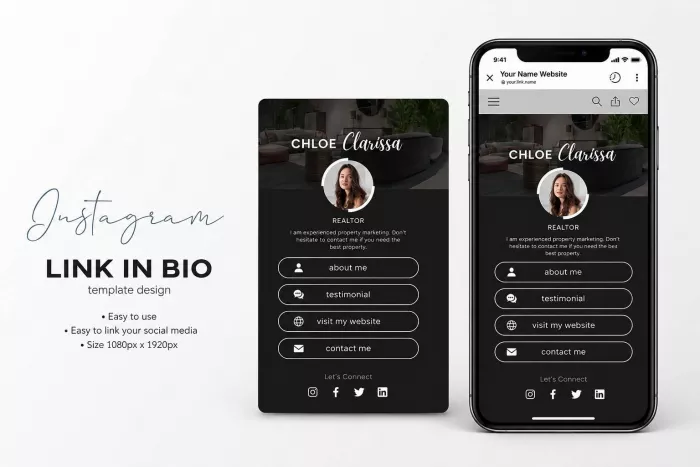
A creator link is no longer just a list of social media accounts. The modern version acts as a compact personal ecosystem where creators can bring together content, business offers, audience funnels, and brand identity in one place. Instead of forcing people to search through multiple apps and platforms, creators can guide visitors toward exactly what matters most.
A good creator link page usually helps visitors:
● Quickly understand what kind of creator they are following and what type of content or expertise they are known for.
● Find the creator’s most important platforms without searching manually across different apps.
● Access products, services, newsletters, communities, or booking pages from one centralized location.
● Learn whether the creator is credible through testimonials, audience numbers, media mentions, or portfolio examples.
● Take a specific action immediately, whether that means subscribing, purchasing, joining, booking, or contacting.
That shift is important because creators are no longer operating like casual social media users. Many are now running full-scale personal brands, creative businesses, consulting services, media companies, or digital storefronts.
The creator link has become the front desk to all of it.
| Traditional Business Card | Modern Creator Link |
| Shows basic contact details | Shows identity, work, audience, and offers |
| Static and difficult to update | Dynamic and editable anytime |
| Shared mainly in person | Shared across every social platform |
| Limited information | Can include content, products, bookings, and media kits |
| No performance tracking | Includes analytics and click insights |
| Ends with contact information | Leads directly into conversion funnels |
Why This Shift Is Happening Now
The rise of creator links is directly connected to the growth of the creator economy itself.
Creators are no longer treated as hobbyists by brands, audiences, or platforms. They are becoming independent publishers, educators, marketers, entertainers, consultants, and niche media businesses. As audiences increasingly trust creators more than traditional advertising, creators are expected to present themselves more professionally. At the same time, social platforms have become fragmented.
A creator today may be active on:
● Instagram for visual storytelling and short-form updates.
● YouTube for deeper educational or entertainment content.
● TikTok for discovery and reach.
● LinkedIn for professional positioning.
● Substack or newsletters for owned audiences.
● Discord or Telegram for community building.
● Shopify or Gumroad for digital product sales.
The problem is obvious: audiences discover creators in one place but often need to move elsewhere to engage more deeply.
Creator links solve that fragmentation problem by acting as a bridge between discovery and action. Instead of saying “follow me everywhere,” creators can now say, “Start here.”
The New First Impression of the Internet
Business cards once represented professionalism. They showed that someone was serious about what they did.
Creator links now play a similar role online. When someone taps a creator’s bio link, they are subconsciously evaluating several things within seconds:
| What Visitors Are Evaluating | What Strong Creator Links Communicate |
| Is this creator trustworthy? | Clean branding, clear messaging, updated information |
| Is this person active and professional? | Organized structure and relevant content |
| What value do they provide? | Products, expertise, entertainment, or education |
| What should I do next? | Clear calls-to-action and guided navigation |
| Is this worth my time? | Simplicity, focus, and easy user experience |
This matters more than many creators realize. A cluttered or confusing link page immediately creates friction. Visitors lose interest when they see too many buttons, broken links, outdated promotions, or unclear messaging. On the other hand, a focused creator link can make even a smaller creator appear far more established and intentional.
The strongest creator links feel less like directories and more like carefully designed experiences.
Creator Links Are Quietly Becoming Mini Websites
One reason creator links are growing so quickly is because many creators do not want the complexity of building and maintaining full websites early on.
Traditional websites often require:
● Domain setup and hosting management.
● Ongoing design and technical maintenance.
● Mobile optimization and speed improvements.
● Separate analytics and marketing integrations.
● More time, cost, and technical understanding.
Creator link platforms simplify that process.
Modern tools now allow creators to:
● Add custom branding, colors, and layouts without coding knowledge.
● Sell digital products directly from the same page.
● Collect email subscribers through embedded forms.
● Track clicks and audience behavior through built-in analytics.
● Highlight featured content or campaigns instantly.
● Accept bookings, inquiries, or consultations from visitors.
For smaller creators especially, this creates a major advantage. Instead of waiting until they can afford a polished website, they can launch a strong online presence almost immediately. In many cases, creator links are becoming the lightweight alternative to personal websites.
The Commerce Side Is What Really Changed Everything
The biggest transformation happened when creator links stopped being passive navigation tools and started becoming monetization tools.
Earlier versions of “link in bio” pages mainly redirected traffic. Modern creator links now actively support creator businesses.
Today, creators use these pages to:
● Sell digital products such as templates, guides, presets, or ebooks directly to their audience.
● Offer coaching calls, consulting sessions, or freelance services through integrated booking systems.
● Promote affiliate recommendations in a more organized and conversion-focused format.
● Grow newsletters and owned email lists rather than depending entirely on social algorithms.
● Launch paid communities or membership programs with direct signup access.
● Create campaign-specific landing pages for sponsored partnerships and collaborations.
| Creator Goal | How Creator Links Support It |
| Building an email audience | By capturing subscribers directly from social traffic |
| Selling products | By reducing friction between discovery and checkout |
| Landing brand deals | By showcasing media kits and professional positioning |
| Growing communities | By directing followers into private groups or memberships |
| Increasing affiliate revenue | By organizing recommendations in a cleaner way |
| Booking services | By connecting scheduling and payment systems |
This is why creator links are becoming much more than convenience tools. They are now infrastructure for creator-led businesses.
Why Brands Pay Attention to Creator Links
Brands often look at creator links before reaching out for partnerships.
That single page gives them a quick understanding of how professionally a creator operates online. It acts almost like a condensed media kit that communicates audience direction, content quality, business maturity, and collaboration readiness.
Strong creator links often include:
● A short and clear explanation of the creator’s niche, audience, and content focus.
● Examples of previous partnerships or sponsored collaborations with recognizable brands.
● Easy-to-find contact information for partnership inquiries and campaign discussions.
● Links to audience platforms where engagement and community activity are strongest.
● Portfolio samples, testimonials, or case studies that help establish credibility.
● Product recommendations or categories that show commercial alignment.
For brands managing dozens or hundreds of creator relationships, clarity matters. A creator who presents themselves professionally immediately reduces friction during outreach and campaign planning.
The Best Creator Links Feel Focused, Not Crowded
One of the biggest mistakes creators make is treating their creator link page like a storage folder.
They add every social account, every old campaign, every affiliate product, and every random project they have ever touched. The result is usually overwhelming.
Strong creator links are curated carefully. Instead of asking visitors to choose from twenty different directions, they guide attention intentionally toward a few meaningful actions.
A good creator link should make it immediately obvious:
● What the creator is best known for.
● Which platform or content matters most right now.
● What action the visitor should take first.
● Why the visitor should care enough to continue exploring.
| Weak Creator Link | Strong Creator Link |
| Too many unrelated buttons | Focused structure with clear hierarchy |
| Outdated campaigns and promotions | Regularly updated content and offers |
| Generic wording like “Click Here” | Specific and action-driven messaging |
| Random layout and branding | Consistent visual identity |
| No primary call-to-action | One clear conversion goal |
Simplicity is often what makes creator links feel premium.
Why Creator Links Matter More for Small Creators
Large creators usually have teams, websites, managers, and advanced marketing systems. Smaller creators often have none of those things.
That is why creator links are especially valuable for independent creators trying to grow sustainably. They provide a low-cost way to look organized, intentional, and business-ready without requiring huge resources. More importantly, they help creators understand audience behavior.
A creator link can reveal:
● Which platform sends the highest-quality traffic.
● Which product or offer people click most often.
● Whether visitors are interested in content, community, or purchases.
● Which campaigns or collaborations are actually converting.
● Where audience attention drops off.
That information helps creators make smarter business decisions over time. In many ways, creator links have become operational dashboards disguised as simple profile pages.
Creator Links Are Also Expanding Beyond Social Media
Another reason creator links resemble business cards is because they now move fluidly between online and offline environments.
Creators increasingly place QR-linked creator pages on:
● Event badges and conference passes so attendees can connect instantly.
● Product packaging that directs buyers toward tutorials or communities.
● Printed business cards that replace multiple social handles with one destination.
● Presentation slides during workshops, webinars, or speaking engagements.
● Posters, flyers, and promotional materials connected to launches or events.
● Merchandise and packaging that encourage long-term audience engagement.
This makes creator links portable identities rather than platform-specific tools.
Final Thoughts
Creator links are becoming the new digital business card because modern online identity is no longer simple. People do not just want to know your username anymore. They want to understand who you are, what you create, what you offer, where they should go next, and whether they should trust you enough to invest their attention.
That is a much bigger job than a traditional business card ever had. The best creator links succeed because they reduce confusion in an internet filled with noise. They help creators turn scattered audiences into connected communities, casual visitors into subscribers, and social attention into long-term opportunities.
For creators building careers online today, that single page is no longer a side feature sitting under a bio. It is increasingly becoming the center of the entire digital identity.


Comments