Most creators think they have a link problem. They do not. They have a behavior problem.
The same link sits in two different apps, but the person clicking it is not the same person. On Instagram, the click comes after evaluation. On TikTok, it comes in the middle of curiosity. One is measured. The other is impulsive. Treating both the same is where most link-in-bio strategies quietly fail.
This shift is subtle, but it is reshaping how creators, brands, and businesses should think about conversion from social platforms.
The Link in Bio Has Become a Mini Conversion System
For years, creators treated the bio link as a workaround. Social platforms limited clickable links inside posts, so users were told to “click the link in bio.” That link often led to a messy page with everything on it: blog posts, affiliate products, YouTube channels, newsletters, booking pages, discount codes, courses, shops, and contact forms.
That old approach is becoming weaker because social media traffic is more fragmented now. A person coming from an Instagram Reel may not want the same thing as a person coming from a TikTok product video. A follower who already trusts you may browse patiently. A new viewer who just discovered you may leave within seconds if the first link does not match the video they watched.
This is why the bio link now needs structure. It should answer three questions quickly:
| Question | Why It Matters |
| Why did the visitor click? | The page should match the post, video, or profile promise. |
| What should they do first? | The top link should guide action, not create confusion. |
| How will you measure the click? | Without tracking, you cannot know which platform or content type is working. |
A strong link-in-bio page works like a routing system. It sends different types of attention to the right place. It does not simply collect links. It organizes intent.
Instagram Bio Link Behavior: Slower, More Curated, More Trust-Based
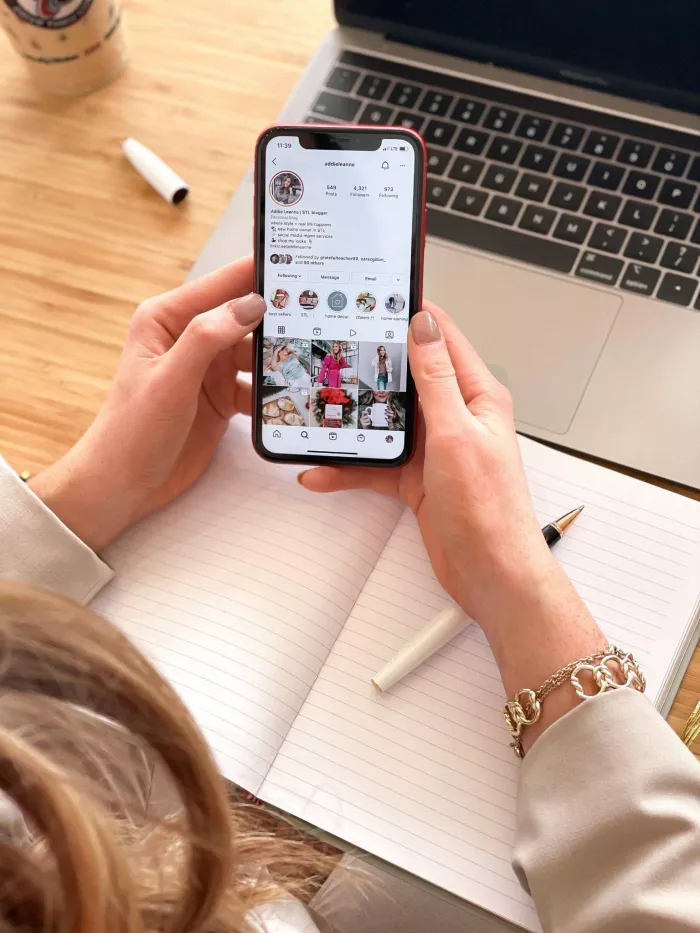
Instagram is still highly profile-driven. A user may see a Reel, visit the profile, scan the grid, check highlights, look at follower count, read the bio, and then decide whether to click. That extra browsing layer changes the job of the bio link.
On Instagram, the link usually needs to support identity and credibility. It should feel like a clean extension of the profile. If the profile looks premium but the bio link page feels random, the trust breaks. This is especially important for service providers, creators selling digital products, coaches, consultants, personal brands, and lifestyle businesses.
Instagram users often click with broader intent. They may want to know what you sell, how to work with you, where to shop, where to read more, or how to contact you. That means Instagram can support a slightly richer link hub, as long as the page remains organized.
A good Instagram bio link can include:
● A current campaign or featured offer
● Shop or service page
● Newsletter or free resource
● Portfolio, media kit, or case studies
● Contact, booking, or collaboration link
The key is hierarchy. Instagram visitors may tolerate multiple links, but they still need a clear order. The most commercially important or timely link should sit at the top. Evergreen links can sit lower.
TikTok Bio Link Behavior: Faster, More Viral, More Context-Driven
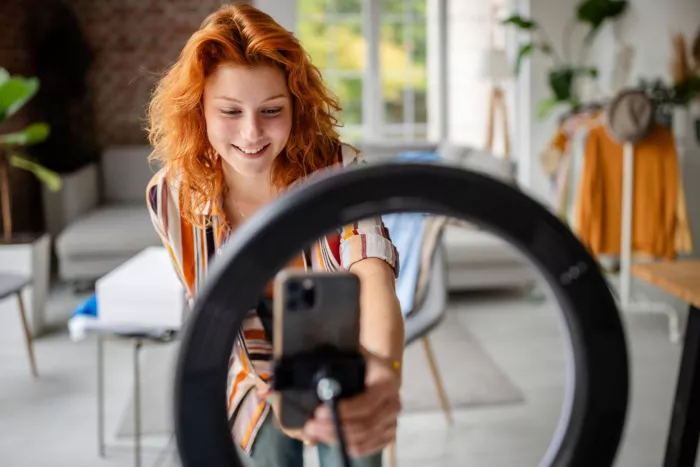
TikTok works differently because discovery is usually content-first, not profile-first. A person may not know the creator, brand, or business before seeing one video. If that video triggers curiosity, the click happens quickly.
That makes TikTok bio links more fragile. The visitor often arrives with one question: “Where is the thing from the video?” If they do not find it quickly, the click is wasted.
TikTok’s official support explains that users can add links through profile settings, while TikTok Business also pushes business accounts as a way for brands and creators to build a commercial presence on the platform. But the behavior is the real issue. TikTok traffic can spike suddenly from one video, so the bio link has to stay fresh.
A TikTok bio link should usually be tighter than an Instagram one. It should prioritize:
● The exact product, resource, or page mentioned in the latest viral video
● A short collection of related links
● A free download or email capture
● A shop, course, or main website link
Too many choices hurt TikTok more than Instagram because TikTok attention is often warmer but less patient. The viewer is not always looking to understand your full brand. They are looking to complete the action that the video started.
Instagram Clicks Follow Identity, TikTok Clicks Follow Momentum
This is the simplest way to understand the difference.
Instagram clicks usually follow identity. Users click because your profile, content style, authority, or brand presence feels trustworthy.
TikTok clicks usually follow momentum. Users click because a specific video created desire, curiosity, urgency, or entertainment.
| Behavior Area | TikTok | |
| Main click driver | Profile trust and brand identity | Video momentum and curiosity |
| User mindset | Explore, compare, evaluate | Act quickly, find the mentioned item |
| Best bio link style | Organized brand hub | Direct action page |
| Best top link | Main offer, shop, service, or campaign | Latest viral video resource or product |
| Biggest risk | Too many unfocused links | Outdated top link after a viral post |
| Best use case | Services, portfolios, newsletters, product collections | Affiliate products, downloads, viral resources, quick conversions |
This is why copying one bio link setup across both platforms can reduce performance. The platforms may send traffic to the same page, but the traffic is not behaving the same way.
Why Using the Same Bio Link on Both Platforms Is a Mistake
The biggest mistake creators make is treating the bio link as a static page. They build it once, add every important link, and forget about it. That may feel efficient, but it ignores how social content works.
Instagram rewards consistency and trust. A clean, stable bio link can work well there because many visitors are checking your overall brand. TikTok rewards speed and relevance. If a video about a specific product is performing, the first link should reflect that moment.
For example, imagine a skincare creator posts the same product recommendation on both platforms.
On Instagram, the bio link might lead to a “Skincare Picks” page with product categories, routine guides, discount codes, and an email signup.
On TikTok, the top link should probably say something like “Product from today’s video” or “Viral acne routine list.” The TikTok visitor needs a shortcut, not a catalog.
The offer can be the same. The routing should not be.
Social Commerce Is Changing the Role of Bio Links
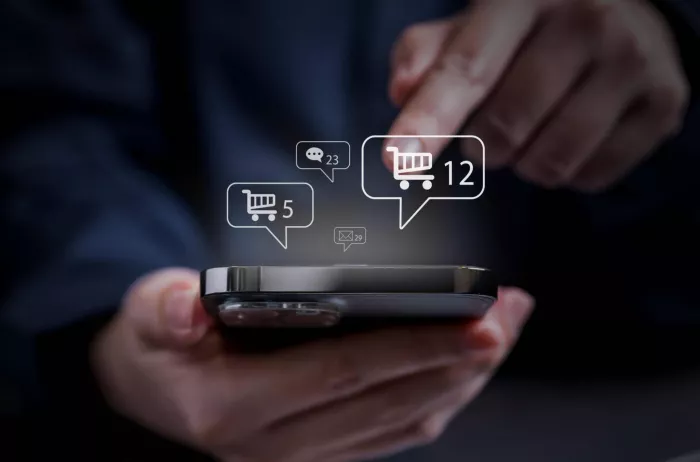
Another reason bio link behavior is changing is the rise of native shopping. Social platforms increasingly want users to discover, evaluate, and buy without leaving the app.
Meta has been testing and expanding affiliate-style shopping links inside Instagram and Facebook content, including product links in Reels. The Verge reported that Instagram creators may be able to embed multiple shoppable products into a Reel using affiliate links when products are part of Meta’s commerce catalog.
This does not make the bio link useless. It changes its job.
If a platform can handle quick shopping inside the feed, the bio link should handle what the platform cannot fully own:
| Bio Link Role | Why It Still Matters |
| Email capture | Builds an audience outside platform algorithms. |
| Deeper product education | Lets users compare, read, watch, or understand before buying. |
| Service conversion | Useful for bookings, applications, calls, and consultations. |
| Bundled offers | Helps creators group products, guides, templates, or courses. |
| Trust building | Supports testimonials, media kits, case studies, and long-form proof. |
In other words, the bio link is moving from “the only clickable place” to “the owned conversion layer.” That makes strategy more important, not less.
What Creators Should Put in Their Instagram Bio Link
Instagram bio links should feel like a clean homepage for a social-first brand. The page should not overwhelm users, but it can support more depth than TikTok.
A strong Instagram structure may look like this:
| Link Position | Best Use |
| 1 | Current campaign, main product, or primary offer |
| 2 | Shop, services, or booking page |
| 3 | Free resource, newsletter, or lead magnet |
| 4 | Popular guide, blog, video, or content hub |
| 5 | Contact, collaboration, media kit, or portfolio |
The top link should change when there is a campaign, launch, seasonal offer, or major content push. The rest of the page can stay more stable.
The Instagram bio link should also match the profile visually. Use similar colors, wording, and positioning. If the Instagram profile feels premium but the bio page looks cluttered, the user senses a gap.
What Creators Should Put in Their TikTok Bio Link
TikTok bio links should be built around speed. The first link must answer the most likely question created by recent videos.
A strong TikTok structure may look like this:
| Link Position | Best Use |
| 1 | Exact product, resource, or page mentioned in the latest viral video |
| 2 | Related product list or resource collection |
| 3 | Free download, checklist, template, or email capture |
| 4 | Main shop, website, or creator hub |
TikTok creators should review the bio link more often than Instagram creators. If one video suddenly starts driving traffic, the page should adapt. The top link should not be a generic homepage when the viewer is looking for one specific thing.
This is especially important for affiliate creators, product reviewers, educators, template sellers, and creators who post tutorials. Their TikTok bio link should behave almost like a live campaign page.
The New Rule: Track Behavior, Not Just Clicks
A bio link without analytics is guesswork. Clicks alone are not enough. A creator needs to know which platform drove the click, which content triggered it, and what happened after the click.
Bitly recommends using link-in-bio tracking and UTM parameters to understand social referrals and identify which platforms are driving traffic and conversions. It also explains that UTMs can track source, medium, campaign, and other attribution details.
At minimum, creators should track:
| Metric | What It Tells You |
| Clicks by platform | Whether Instagram or TikTok is driving more traffic. |
| Top clicked links | Which offers or content assets are attracting interest. |
| Conversion rate | Whether clicks become purchases, signups, bookings, or leads. |
| Time-sensitive spikes | Whether a Reel or TikTok video created short-term demand. |
| Bounce behavior | Whether visitors are leaving because the page is confusing or mismatched. |
The best setup is to use separate tracked links or UTM parameters for Instagram and TikTok. Even if both platforms send people to the same landing page, the traffic should be measured separately.
Common Mistakes and Better Fixes
| Mistake | Why It Hurts | Better Fix |
| Using the same link page everywhere | Ignores platform intent | Create platform-specific ordering |
| Putting too many links at the top | Creates decision fatigue | Prioritize one primary action |
| Forgetting to update TikTok links | Wastes viral traffic | Match the top link to current videos |
| Making Instagram too transactional | Weakens brand trust | Balance offers with credibility |
| Not tracking links | Hides what is working | Use UTMs and link analytics |
The goal is not to update the bio link randomly every day. The goal is to build a system that changes for a reason.
Final Takeaway: Build Two Systems, Not One Link
Instagram and TikTok may both use the same “link in bio” language, but they do not produce the same kind of visitor.
Instagram needs a bio link that proves who you are. It should support trust, brand depth, services, products, newsletters, and long-term audience growth.
TikTok needs a bio link that catches attention before it disappears. It should be direct, current, and tightly connected to the video that created the click.
The future of link in bio is not one page filled with every possible destination. It is smarter routing. The creators and brands that win will not be the ones who update their links randomly. They will be the ones who understand why people clicked, what they expected to find, and how to move them to the next step without friction.



Comments